
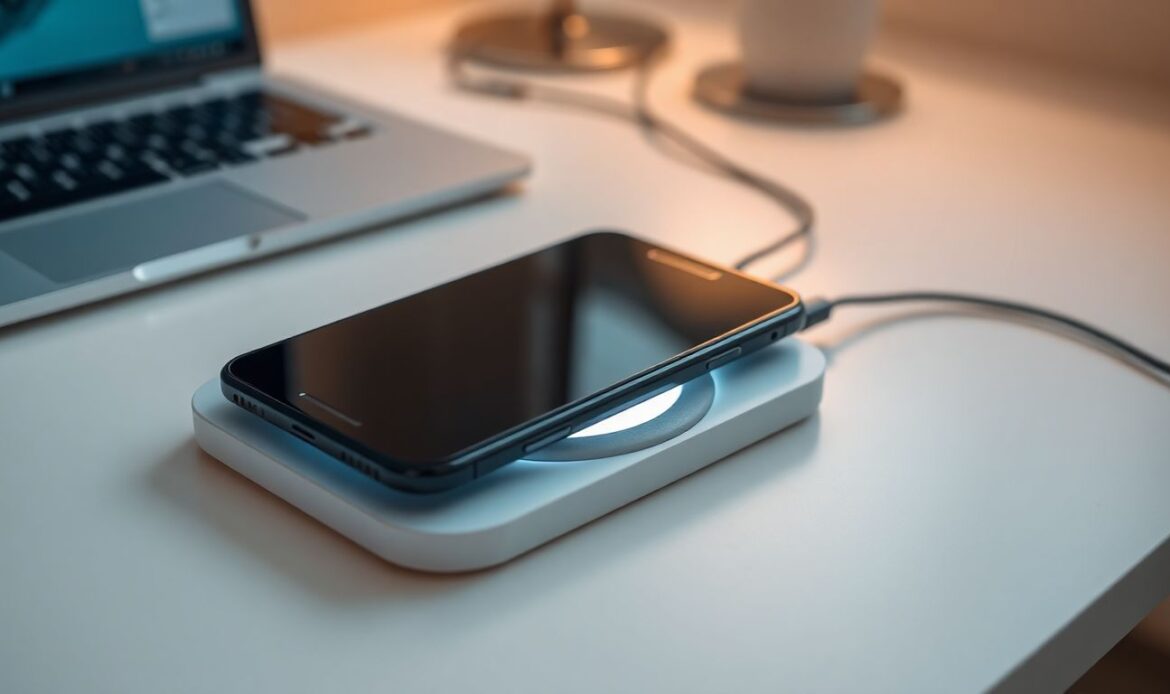
Imagine this: you’re rushing out the door, and you realize your phone is dead. Argh! It’s the worst, right? We’ve all been there. Luckily, we have options to power up our devices: wired and wireless charging. Both can save the day when that battery icon turns red.
In this article, we’ll explore everything you need to know. We’re comparing wired and wireless charging, breaking down the pros, cons, and unique features of each. Whether you’re looking for speed, convenience, or the best value, this guide will help you decide what fits your lifestyle best. If your device is struggling with charging, CellphoneFix.ca is your go-to phone repair shop near you offering quick solutions.
Wired Charging: The Reliable Standard
Wired charging has stood the test of time. From those chunky old-school adapters to today’s sleek USB-C cables, it’s still the go-to method for many people seeking fast and consistent charging. If you’re searching for phone screen repair in Edmonton or a mobile repair near me, chances are you’ll be advised to use a wired charger for optimal performance.
Speed and Efficiency
One of the major advantages of wired charging is its blazing-fast speed. Today’s USB-C chargers can deliver up to 100W of power, allowing your smartphone to hit 50% battery in as little as 30 minutes. That’s a huge win for anyone who’s always on the move. For Apple users, Lightning cables still hold their ground, but USB-C is fast becoming the gold standard.
For users with demanding charging needs—like gaming phones or tablets—a wired charger is the most efficient way to ensure power delivery without heat buildup. At CellphoneFix.ca, we always recommend fast, reliable chargers when fixing devices that struggle with battery issues.
Compatibility and Cost
Wired charging wins when it comes to device compatibility. Whether you own an iPhone, Samsung, Google Pixel, or an older Android phone, there’s a cable for it. Most newer devices use USB-C, which makes life easier—one cable to charge them all!
Another benefit? Affordability. You can pick up a reliable wired charger for a few dollars. Plus, they’re widely available in stores and online. Compared to wireless options, this makes wired charging more accessible, especially if you’re looking for a budget-friendly phone repair shop near you.
Limitations and Drawbacks
Despite the advantages, wired charging isn’t perfect. Cables wear out, get tangled, and ports can degrade over time due to frequent plugging and unplugging. Damaged ports are a common issue we fix at CellphoneFix.ca, especially for users with older devices.
There’s also the mobility issue—using your phone while it’s charging can be clumsy, especially if the cable is short. And let’s be honest, nobody enjoys untangling charger cords daily.
Wireless Charging: Convenience Untethered
Wireless charging brings a futuristic edge to how we power up. No cords, no plugs—just set your phone down on a pad, and it starts charging like magic. This sleek solution has grown in popularity, particularly among tech-savvy users in urban areas like Edmonton, where convenience is key.
Ease of Use and Convenience
What makes wireless charging stand out is its effortless experience. Whether you’re winding down at night or working at your desk, just drop your phone on the pad and go. No more fumbling with wires or flipping the plug the “wrong way.”
This is perfect for multitaskers who constantly pick up and put down their phones. If you’re looking for mobile repair near me and considering a switch to wireless accessories, our team at CellphoneFix.ca can help you get set up.
Aesthetic Appeal and Integration
Wireless charging pads aren’t just functional—they’re stylish. Many of them are designed to match your home or office décor, cutting down on cluttered cables. High-end models even come built into furniture, such as nightstands or desktops, giving your space a sleek, modern vibe.
Whether you’re a minimalist or just tired of cables everywhere, wireless chargers deliver both function and form.
Limitations and Drawbacks
Let’s not sugarcoat it—wireless charging is slower than wired charging. Even with newer, faster Qi-certified pads, it can take 2–3 hours for a full charge. Compare that to a wired charger that powers your phone in less than half the time.
Another common issue is alignment. Your phone needs to be placed just right on the pad. Misalignment can halt the charge or make it inefficient. Plus, wireless chargers generate more heat, which could reduce long-term battery life.
And of course, they’re pricier. Fast wireless chargers especially can be two or three times the cost of a wired charger.
Wireless vs. Wired: A Head-to-Head Comparison
Let’s break it down and see how wired vs wireless charging stacks up in the most important categories.
Speed
Wired charging wins. It’s still the fastest method. If you’re in a rush or rely heavily on your phone, there’s no contest. A USB-C charger can juice up your phone in under an hour, while even the best wireless pads will take over two hours.
Efficiency
Wired chargers are more energy-efficient. The direct connection ensures minimal power loss. Wireless charging loses energy due to heat, which over time adds to your electricity bill and impacts the battery.
If your device is struggling with charging efficiency, we recommend visiting CellphoneFix.ca for a full diagnostic.
Convenience
Wireless charging wins here. No cables, no mess—just simplicity. It’s especially useful in shared spaces, offices, or bedside setups. That said, for multitasking while charging, wired still has the edge.
Factors to Consider When Choosing
Your decision might come down to what you value most. Here’s what to keep in mind:
Your Device and Its Capabilities
Not every phone supports wireless charging. Make sure your device has Qi compatibility before investing. If you’re unsure, we can help verify compatibility at CellphoneFix.ca.
Also, consider how fast your device charges wirelessly—some only support slower speeds.
Your Lifestyle and Needs
If you’re a frequent traveler, wired charging is best. It’s portable, fast, and universal. You won’t always have access to wireless pads on the go.
For homebodies or office workers, a wireless pad on your desk or nightstand can be a game-changer.
Budget Considerations
Wired chargers are affordable and easy to replace. Wireless ones are an investment, especially if you want features like fast charging or multi-device support.
Looking to upgrade your device instead? Explore our trade-in program to get value out of your old phone before switching to something new.
The Future of Charging
Advancements in Wireless Technology
The wireless world is evolving. New innovations like over-the-air charging are in development. Soon, you might not need to place your phone on anything—it could charge just by being near a power source!
As this tech grows, it could transform the mobile repair near me industry by reducing wear and tear on charging ports altogether.
Innovations in Wired Charging
Wired charging isn’t being left behind. GaN chargers and USB-PD technology are pushing the limits, delivering up to 100W of power in smaller, faster units. That means supercharged phones, tablets, and even laptops in minutes.
At CellphoneFix.ca, we stay up-to-date with the latest in charging innovations to help you keep your devices running efficiently.
Conclusion
Wired vs. wireless charging—which one’s best? It depends on what you need.
- Choose wired charging if you want speed, efficiency, and affordability.
- Choose wireless charging if you value convenience, aesthetics, and a modern touch.
No matter your choice, make sure your device is in top shape. If you’re facing any charging issues, need a battery replacement, or looking for phone screen repair in Edmonton, visit CellphoneFix.ca—your trusted phone repair shop near you.